Research Areas
Indian Institute of Science
Bengaluru, India
------ Our Research
From mechanisms to translation
Research at CIDR investigates the biology of infectious disease from molecular and structural mechanisms to host responses, therapeutics and chronic disease outcomes.
The Centre’s research programmes combine microbiology, virology, immunology, structural biology, respiratory medicine, animal models, multi-omics and advanced experimental technologies to understand disease mechanisms and identify new opportunities for intervention.
Microbial Persistence & Redox Biology
Virus–Host Interactions & Antivirals
Structural Virology & Cryo-EM
Pulmonary Immunology & Lung Disease
Thrombosis & Inflammatory Respiratory Disease
------- Research Programmes
Laboratories & research focus
CIDR’s programmes address major questions in infectious disease, immunity, viral structure and respiratory health.

Redox Biology Lab
Dr. Amit Singh · Professor
The laboratory investigates fundamental mechanisms involved in chronic human
infections, with emphasis on how bioenergetic and physiological changes
influence Mycobacterium tuberculosis virulence, persistence and
drug tolerance.
The programme also studies host-directed therapeutic strategies and mechanisms
relevant to TB, HIV and HIV–TB coinfection.

Emerging Viral Pathogens Lab
Dr. Shashank Tripathi · Associate Professor
The group studies virus–host interactions of emerging human RNA viruses including influenza viruses, SARS-CoV-2 and flaviviruses.
Its research combines multi-omics, viral reverse genetics and small-animal models to understand pathogenesis and support the development of broad-spectrum antivirals and vaccines.
Structural Virology Lab
Dr. Vidya Mangala Prasad· Assistant Professor
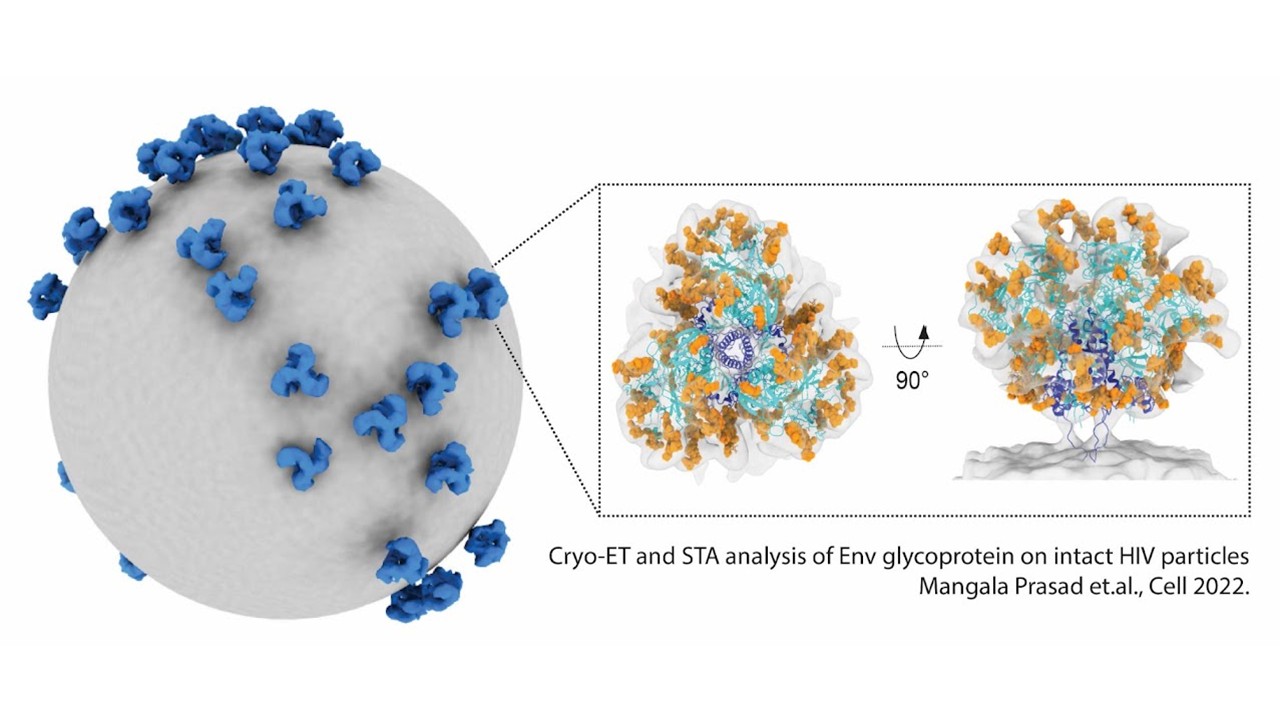
The laboratory focuses on high-resolution structural analysis of human disease-causing viruses, their infection machinery and mechanisms of cellular entry across membranes.
Research uses cryo-electron tomography, subtomogram averaging, single-particle cryo-electron microscopy and complementary molecular and biophysical approaches.

Halkur Lab
Dr. Sujay Halkur Shankar · Assistant Professor
The lab studies the immunobiology of lung injury and repair, investigating how dysregulated inflammation, host–microbial interactions, tissue repair and fibrosis contribute to chronic respiratory disease.
Current interests include post-tubercular lung disease, interstitial lung disease and the immunopathogenesis of chronic pulmonary aspergillosis.

Thrombosis and Inflammatory Respiratory Disease Research Lab
Dr. William R. Surin · Principal Research Scientist
Research in this programme examines platelet signalling and intravascular thrombosis while evaluating antithrombotic strategies and potential therapeutic interventions.
In parallel, the group develops animal models and in-vitro systems to understand the pathogenesis of inflammatory respiratory diseases such as COPD and to identify molecular pathways for therapeutic development.
Meet the investigators behind CIDR research
Explore the investigators leading CIDR’s research programmes, their scientific interests and areas of expertise.